






Analytics (138)
Embracing Enhanced Data Privacy in Analytics: A Necessity for Modern Businesses
- Monday, 28 October 2024
- Analytics
- Written by BDA Tech Brief
 Explore the trend of enhanced data privacy in analytics as businesses navigate regulatory compliance, emphasizing ethical data practices for strategic insights.
Pioneering Predictive Analytics in Business: The Key to Future-Proofing Your Enterprise
- Sunday, 27 October 2024
- Analytics
- Written by BDA Tech Brief
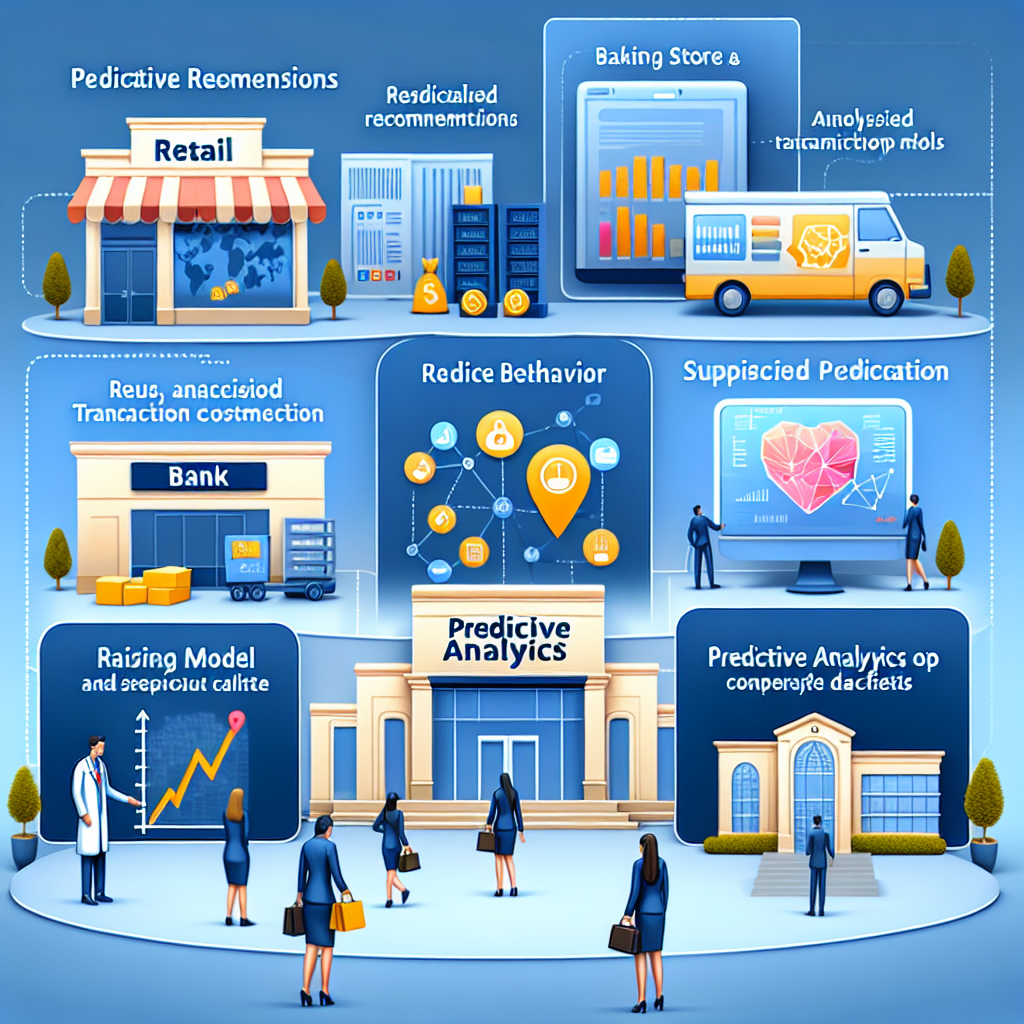 Explore how predictive analytics is transforming businesses across sectors by utilizing data to forecast trends and optimize decision-making.
The Rise of Predictive Analytics in Retail: Transforming Customer Engagement
- Sunday, 27 October 2024
- Analytics
- Written by BDA Tech Brief
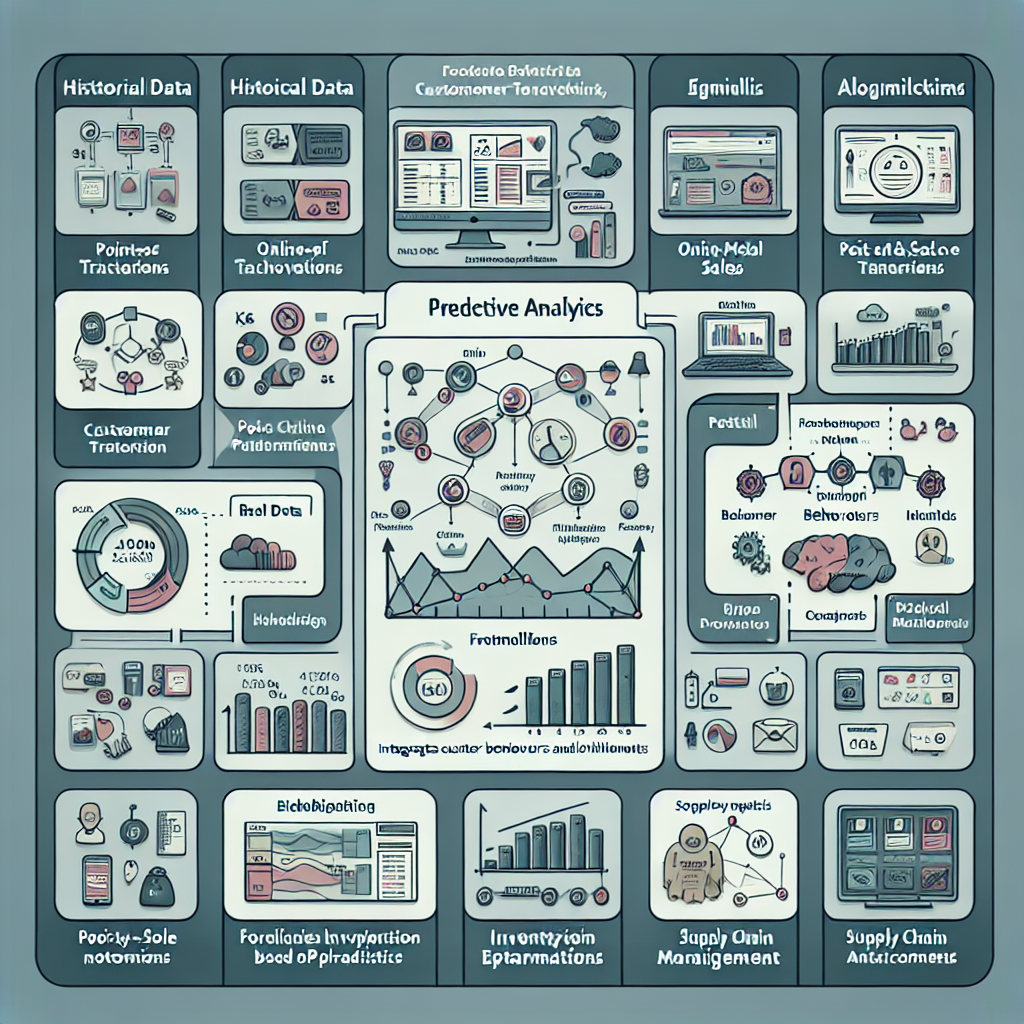 Explore how predictive analytics is revolutionizing retail by transforming customer engagement, enhancing decision-making, and optimizing inventory management.
Big Data Analytics: Uncovering Hidden Insights
- Monday, 04 December 2023
- Analytics
- Written by Scott Koegler

Big data refers to extremely large and complex datasets that traditional data processing tools cannot easily handle. However, with the right analytics techniques and technologies, meaningful insights can be uncovered from big data. The insights derived from big data analytics have the potential to improve decision-making, enhance operational efficiency, drive innovation, and deliver competitive advantages.
Read more...Big Data Analytics for Predictive Maintenance
- Monday, 20 November 2023
- Analytics
- Written by Scott Koegler

Big data analytics has continued to be the change that many businesses need to revolutionize various aspects of their operations, including maintenance management. Thanks to the evolution of use of data, predictive maintenance strategies have become increasingly popular in recent years, with the main aim being to reduce and eliminate failures during production. With the help of the power of big data and related techniques, companies can now improve the transparency of system health conditions, boost the speed and accuracy of maintenance decision-making, and minimize costly downtime.
Read more...Concentrate on these Main Areas of Your Data Analytics
- Monday, 19 April 2021
- Analytics
- Written by Scott Koegler

Businesses quickly discover the importance of big data analytics in their operations. They have embraced ideas behind data analytics and associated technologies and even technologies such as machine learning and artificial intelligence. With the focus now shifted to online after the effects of the coronavirus pandemic, enterprises are modernizing their analytics strategies, testing new technologies and tools and training staff, or acquiring new talent to meet the new realities. As the pandemic continues, many organizational leaders are thinking of how they should prepare their data analytics for 2021. Here are areas of data analytics that you need to concentrate on as we begin the new year.
Read more...Big Data Consolidation is Dependent on These Four Actions
- Monday, 01 March 2021
- Analytics
- Written by Scott Koegler

Over the past few years, big data has evolved from a boardroom buzzword to a force that is now taking the world by storm. A few years ago, business leaders lacked ways to harness vast amounts of data and analyze it to get information. However, big data has become a game-changer, with administrators and business leaders now analyzing and getting knowledge about customers, business processes and daily operations. Although a point of success within a business, big data presents many challenges that must be addressed for success to be realized in big data initiatives.
Read more...Covid-19 Has Changed the Global Supply Chain
- Monday, 11 January 2021
- Analytics
- Written by Scott Koegler

After almost a year of coronavirus pandemic, it is apparent that the pandemic has significantly strained the industry in a manner that no one has ever seen before. With the pandemic, it has emerged that the supply chain is the backbone of modern businesses. Although these challenges might have impacted the supply chain and logistics industries now, it will ultimately result in more resilience in the future. Here are some changes that the coronavirus pandemic has introduced to the global supply chain:
Read more...The Home of Former Florida Data Scientist Rebekah Jones was Raided Last Week
- Sunday, 13 December 2020
- Analytics
- Written by Danielle Loughnane

“It's time to speak up before another 17,000 people are dead. You know this is wrong. You don't have to be a part of this. Be a hero. Speak out before it's too late” read the text message that was sent to 1,750 state workers through the state’s emergency management system last month.
Read more...The Importance of Story Telling in Data Analytics
- Monday, 12 October 2020
- Analytics
- Written by Danielle Loughnane

The most successful data analysts are able to take key data and weave it into a story to convey their point to stakeholders. This is often called a “data story” and is used by analysts who are presenting to an audience who may not understand the intricacies of data. They do this by presenting their findings visually – which is easier for most people to comprehend. Often time this is through graphs, charts, or other visualization tools like infographics. But is a data story really that important in the world of statistics?
Read more...



Most Read
-

-
Mar 11 2019
-
Written by Danielle Loughnane
 According to Kaggle, an online community for data scientists and…
-
-
-
Aug 26 2019
-
Written by Danielle Loughnane
Not everyone needs to be a data scientist, but every…
-
-

-
Oct 26 2018
-
Written by Kim Del Fierro
In the age of digital technology, the biggest asset any…
-
-
-
Jan 13 2019
-
Written by Danielle Loughnane
According to the Harvard Business Review, every company needs a…
-