






Predictive analytics has long been an integral tool for forward-thinking businesses aiming to stay one step ahead of competitors. Recently, its relevance has surged, becoming a critical component in making informed business decisions across various industries.
Predictive analytics uses historical data combined with algorithms and machine learning techniques to predict future outcomes. It serves as an effective crystal ball, allowing companies to optimize operations, manage risks, and identify new opportunities.
This data-driven approach has become increasingly vital in managing supply chains. For instance, predictive analytics can anticipate demand spikes, enabling businesses to enhance inventory management and reduce costs. In an era where supply chain disruptions can severely impact operations, predictive analytics provides a significant competitive edge.
In financial services, predictive analytics is revolutionizing risk assessment. By analyzing past behavior and evolving market trends, institutions can make better lending decisions and more accurately assess the likelihood of default. This improves financial stability and offers better-customized services to customers.
Healthcare is another area experiencing a seismic shift due to predictive analytics. By forecasting patient demand and optimizing staffing levels, hospitals can improve patient care and operational efficiency. Moreover, predictive models can anticipate outbreaks or health crises, allowing for proactive measures that safeguard public health.
Despite these benefits, implementing predictive analytics requires substantial investment in technology and expertise. Many companies may find the initial costs daunting. However, successful case studies suggest that the long-term savings and benefits far outweigh the initial expenses.
Take, for example, a retail chain that recently integrated predictive analytics into its operations. Within months, the company reported a 20% increase in sales due to more effective stock management and targeted marketing campaigns based on predicted consumer behavior.
In conclusion, as data becomes more accessible and technology advances, the importance of predictive analytics in business strategies will continue to grow. Companies willing to embrace this trend will undoubtedly position themselves for sustained success in an increasingly data-driven world.
Estimated reading time: 1 minute, 41 seconds
The Growing Importance of Predictive Analytics in Business Decision Making Featured
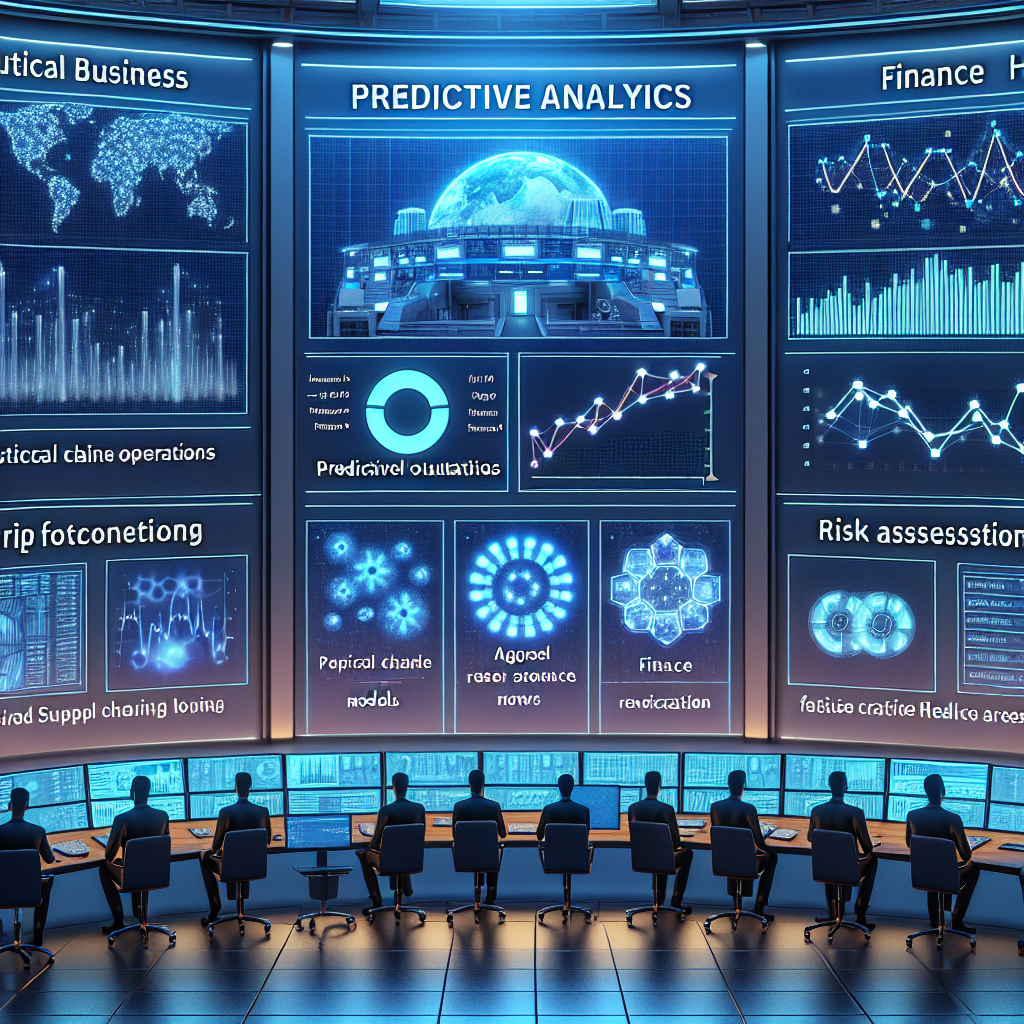 Explore why predictive analytics is becoming indispensable in business decision-making, with insights into its application in supply chains, financial services, and healthcare.
Latest from BDA Tech Brief
- Big Data's Role in Shaping Modern E-commerce Strategies
- The Rise of Big Data in Enhancing Predictive Analytics
- Revolutionizing Data Analytics: How Augmented Analytics is Shaping Business Intelligence
- Recent Trends in Big Data: Navigating Data Privacy and Security Challenges
- Navigating the Era of Predictive Analytics in Accounting
Most Read
-

-
Mar 11 2019
-
Written by Danielle Loughnane
 According to Kaggle, an online community for data scientists and…
-
-
-
Aug 26 2019
-
Written by Danielle Loughnane
Not everyone needs to be a data scientist, but every…
-
-

-
Oct 26 2018
-
Written by Kim Del Fierro
In the age of digital technology, the biggest asset any…
-
-
-
Jan 13 2019
-
Written by Danielle Loughnane
According to the Harvard Business Review, every company needs a…
-