






With climate change at the forefront of global conversations, businesses and policymakers are turning to an unexpected ally in their efforts to combat environmental challenges: Big Data. Leveraging vast datasets, organizations can now make informed decisions that not only promote sustainability but also drive economic efficiency.
Big Data is providing unprecedented insights into climate patterns, enabling predictive analytics that help forecast future environmental changes. This capability is particularly crucial for industries with significant environmental footprints, such as agriculture, energy, and manufacturing. For instance, companies can now optimize their energy consumption by analyzing seasonal patterns, reducing their carbon footprint and operational costs.
In the agricultural sector, Big Data is revolutionizing traditional practices. Farmers are deploying data-driven techniques to monitor soil quality, assess crop health, and predict weather conditions. Such insights enable precision agriculture, which minimizes waste and maximizes yield. An excellent illustration of this is the collaboration between tech companies and farms in California, where smart sensors and data analysis have significantly increased water efficiency.
Energy companies are not left behind. By analyzing vast datasets, they can anticipate energy demands and optimize supply accordingly. This not only reduces waste but also facilitates a smoother transition to renewable energy sources. A notable example is the integration of Big Data analytics in the grid systems across Texas, which has streamlined the balance between traditional and renewable energy sources, ensuring both reliability and sustainability.
Big Data is also vital for urban planning and development. Cities worldwide are harnessing data to design 'smart' infrastructure that reduces energy use and enhances the quality of life for residents. For instance, New York City has implemented data-driven traffic management systems that minimize congestion, decrease travel time, and reduce vehicle emissions.
As these examples show, Big Data's role in mitigating climate change is vast and varied. However, it’s crucial to approach this with due care, ensuring data privacy and ethical use. The transparency in data collection and usage reinforces trust and encourages broader participation in data-driven climate change initiatives.
In conclusion, embracing Big Data technologies is becoming essential for businesses aiming to balance profitability with environmental stewardship. As climate concerns grow, those that integrate data insights into their operations will not only contribute positively to the planet but also gain a competitive edge in an increasingly eco-conscious market.
Estimated reading time: 1 minute, 59 seconds
Harnessing Big Data for Climate Change Mitigation Featured
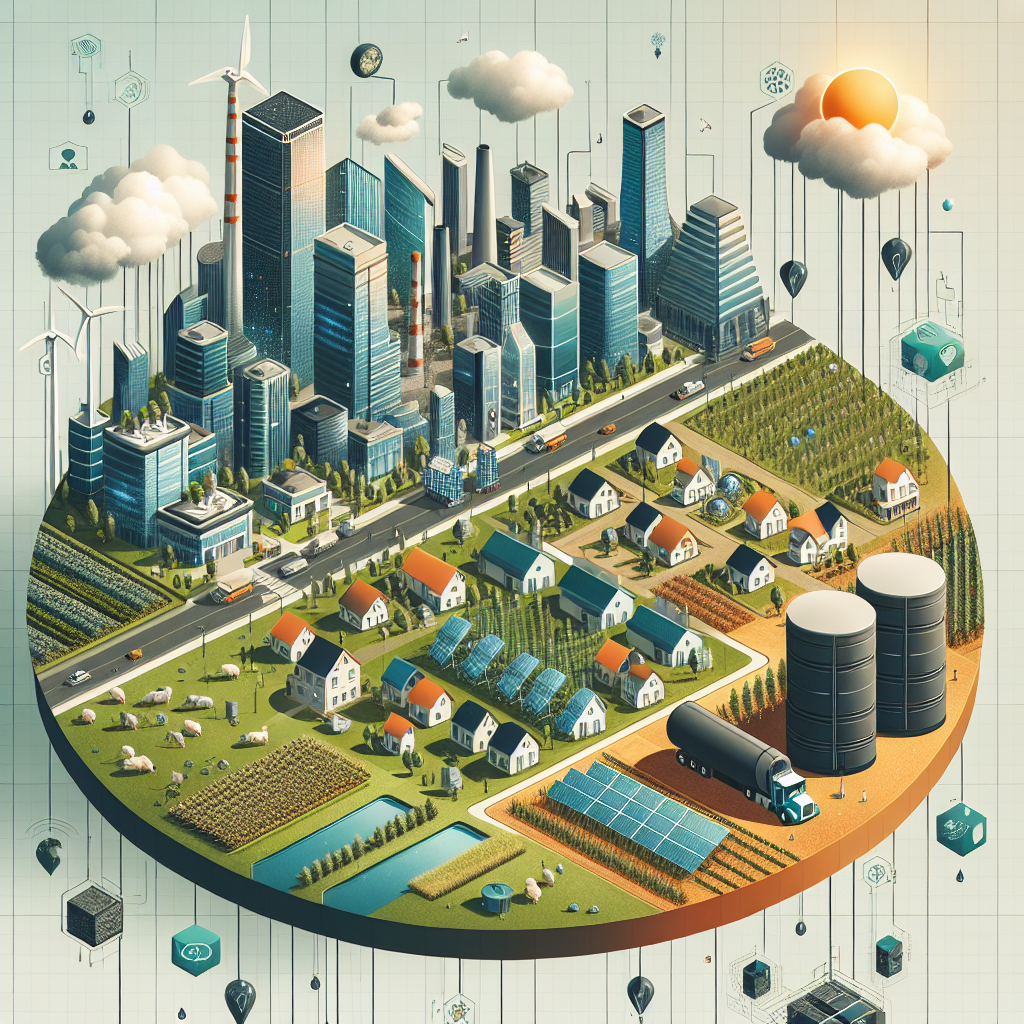 Discover how Big Data is being leveraged for climate change mitigation, offering insights into sustainability and efficiency across industries.
Latest from BDA Tech Brief
- Big Data's Role in Shaping Modern E-commerce Strategies
- The Rise of Big Data in Enhancing Predictive Analytics
- Revolutionizing Data Analytics: How Augmented Analytics is Shaping Business Intelligence
- Recent Trends in Big Data: Navigating Data Privacy and Security Challenges
- Navigating the Era of Predictive Analytics in Accounting
Most Read
-

-
Mar 11 2019
-
Written by Danielle Loughnane
 According to Kaggle, an online community for data scientists and…
-
-
-
Aug 26 2019
-
Written by Danielle Loughnane
Not everyone needs to be a data scientist, but every…
-
-

-
Oct 26 2018
-
Written by Kim Del Fierro
In the age of digital technology, the biggest asset any…
-
-
-
Jan 13 2019
-
Written by Danielle Loughnane
According to the Harvard Business Review, every company needs a…
-