






The realm of big data analytics is continuously evolving, with edge computing being one of the latest trends gaining momentum. This paradigm shift allows data to be processed closer to the source, offering real-time insights and enhanced data security.
Edge computing, a decentralized data processing model, counteracts the latency usually encountered when sending data to a central cloud for analysis. It’s especially significant in sectors relying heavily on real-time data, such as autonomous vehicles, smart grids, and industrial IoT applications. By processing data locally, companies can achieve reduced latency and faster decision-making times.
One example highlighting the potential of this technology is a case from a U.S.-based logistics firm that implemented edge computing to optimize its supply chain operations. By processing data from IoT devices on delivery trucks, the company could adjust routes in real-time in response to traffic conditions, thus improving delivery efficiency and reducing fuel costs.
Incorporating edge computing also addresses privacy concerns, a prevalent issue in big data. With regulations such as GDPR placing stringent requirements on data handling, processing data closer to its source minimizes the risk of data breaches during transmission and storage. This security aspect is particularly advantageous for sectors dealing with sensitive information, like healthcare and finance.
As edge computing continues to rise, its integration with existing cloud infrastructure is crucial. While edge solutions offer local processing benefits, the central cloud remains vital for heavy computations that can’t be handled on the edge. This hybrid approach ensures that businesses can leverage the benefits of both systems, optimizing their data strategy.
However, implementing edge computing is not without its challenges. It requires significant investment in hardware deployment and maintenance. Moreover, organizations need to ensure interoperability between edge devices and central systems. As the market evolves, we anticipate new solutions to address these barriers, making edge computing more accessible.
Overall, the adoption of edge computing within big data analytics is set to revolutionize how data is managed and analyzed, offering real-time insights, enhancing security, and optimizing operations. As businesses navigate this shift, the focus must remain on seamless integration and strategic investments to truly reap the benefits of this innovative approach.
Estimated reading time: 1 minute, 54 seconds
Navigating the Rise of Edge Computing in Big Data Analytics Featured
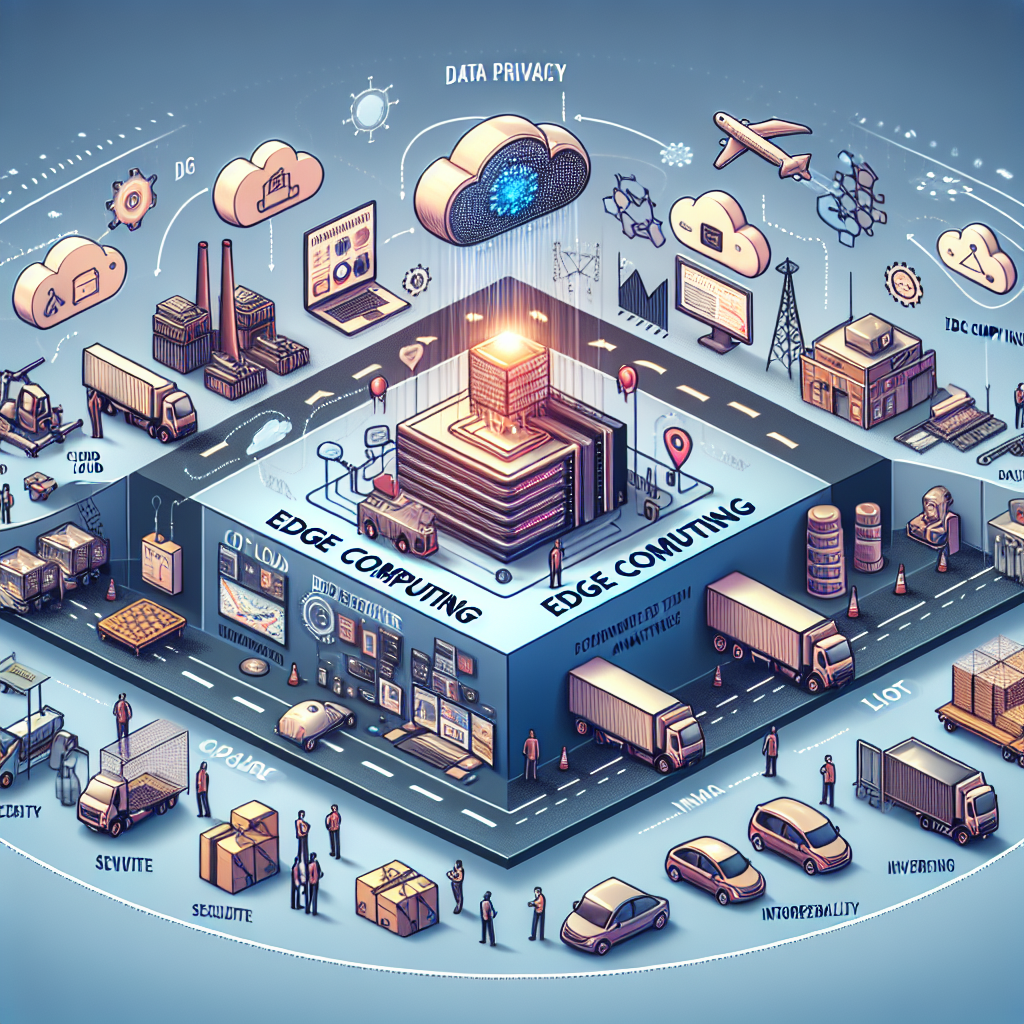 Explore the rise of edge computing in big data analytics, highlighting its benefits for real-time data processing and enhanced security across industries.
Latest from BDA Tech Brief
- Big Data's Role in Shaping Modern E-commerce Strategies
- The Rise of Big Data in Enhancing Predictive Analytics
- Revolutionizing Data Analytics: How Augmented Analytics is Shaping Business Intelligence
- Recent Trends in Big Data: Navigating Data Privacy and Security Challenges
- Navigating the Era of Predictive Analytics in Accounting
Most Read
-

-
Mar 11 2019
-
Written by Danielle Loughnane
 According to Kaggle, an online community for data scientists and…
-
-
-
Aug 26 2019
-
Written by Danielle Loughnane
Not everyone needs to be a data scientist, but every…
-
-

-
Oct 26 2018
-
Written by Kim Del Fierro
In the age of digital technology, the biggest asset any…
-
-
-
Jan 13 2019
-
Written by Danielle Loughnane
According to the Harvard Business Review, every company needs a…
-