






In recent years, predictive analytics has emerged as a cornerstone for transformation in the accounting industry. With a surge in data availability and advancements in analytical tools, businesses are leveraging predictive analytics to enhance financial forecasting, streamline operations, and make data-driven decisions that propel growth.
Predictive analytics involves utilizing historical data, machine learning algorithms, and statistical techniques to forecast future outcomes. This approach is not only reshaping financial strategies but also revolutionizing how accounting firms operate. Historically, the accounting sector has relied heavily on traditional methods of financial analysis and reporting; however, the integration of predictive analytics is changing that narrative.
One of the most significant advantages of predictive analytics in accounting is its ability to improve accuracy in financial forecasting. By analyzing trends and patterns in historical and current data, accounting professionals can predict future financial performances with enhanced accuracy. This forecasting capability significantly aids in budget planning, risk management, and strategic decision-making. As a former consultant at top accounting firms, I've witnessed the transformative impact of deploying predictive analytics, especially in mitigating risks associated with market volatility and economic fluctuations.
Moreover, predictive analytics is playing a pivotal role in operational efficiency. It aids in streamlining workflow processes, reducing manual errors, and optimizing resource allocation. For instance, at one of the Big Four firms, predictive analytics enabled the identification of inefficiencies in the audit process, leading to a 20% reduction in processing time and a marked improvement in audit quality.
A noteworthy case that underscores the success of predictive analytics is its application in customer behavior analysis. By predicting client needs and trends, accounting firms can tailor their services, enhance client experiences, and build stronger relationships. A prime example of this was seen when we applied predictive models to identify trends in client spending behavior, thereby allowing us to offer personalized advisory services that met their evolving needs.
As the accounting industry continues to embrace digital transformation, the role of predictive analytics will undoubtedly expand. Firms that effectively harness this tool stand to gain a competitive edge in today's data-driven market. However, successful implementation requires investment in technology and personnel training, underscoring the need for a clear strategic plan.
In navigating the era of predictive analytics, businesses must remain mindful of data privacy and compliance issues, ensuring that the deployment of analytics adheres to regulatory standards. As we move forward, the conversation around predictive analytics will shape the future of accounting, driving innovation and delivering substantial value to stakeholders.
Estimated reading time: 2 minutes, 7 seconds
Navigating the Era of Predictive Analytics in Accounting Featured
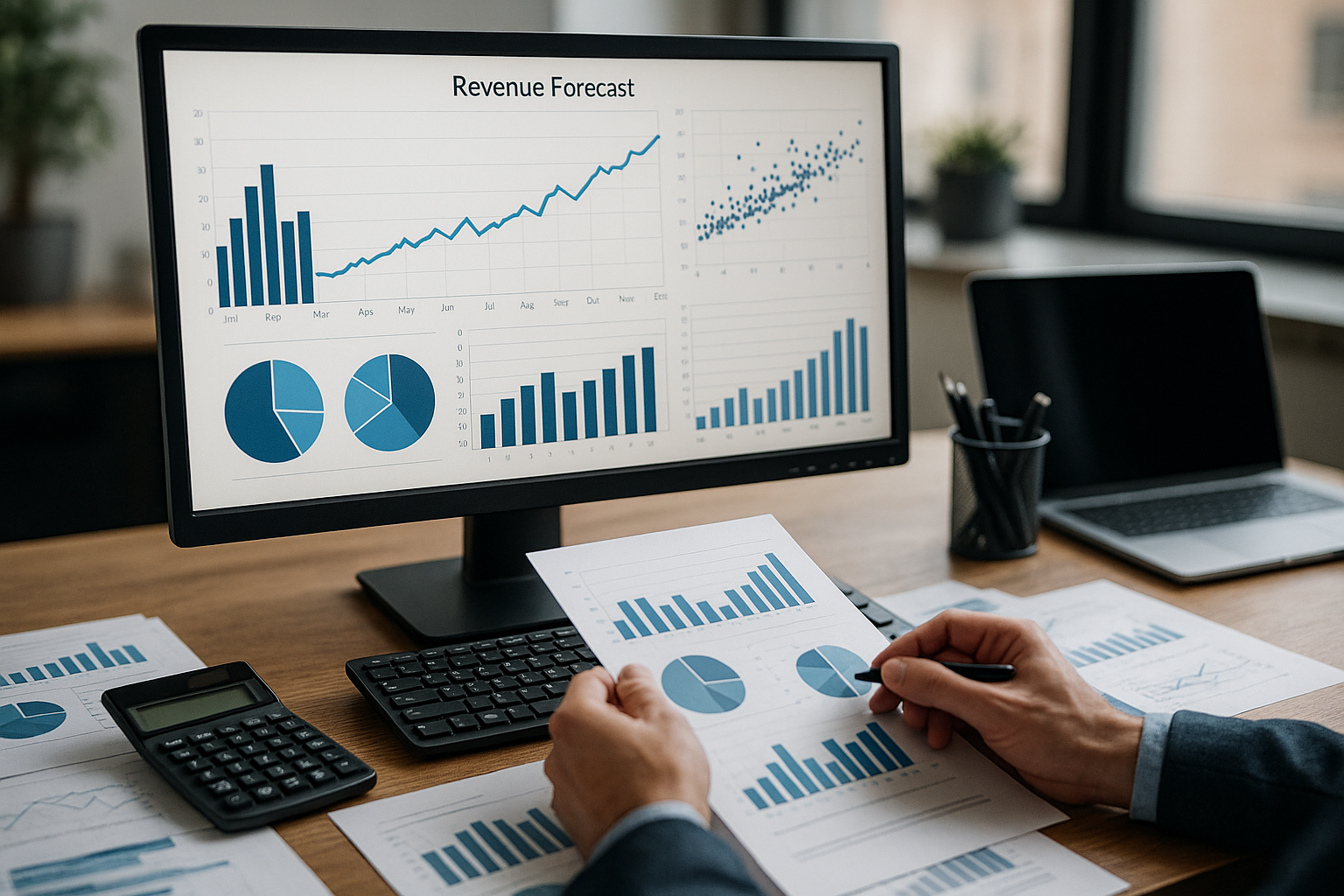 Discover how predictive analytics is revolutionizing the accounting industry, enhancing financial forecasting and operational efficiency.
Latest from BDA Tech Brief
Most Read
-

-
Mar 11 2019
-
Written by Danielle Loughnane
 According to Kaggle, an online community for data scientists and…
-
-
-
Aug 26 2019
-
Written by Danielle Loughnane
Not everyone needs to be a data scientist, but every…
-
-

-
Oct 26 2018
-
Written by Kim Del Fierro
In the age of digital technology, the biggest asset any…
-
-
-
Jan 13 2019
-
Written by Danielle Loughnane
According to the Harvard Business Review, every company needs a…
-