






Predictive analytics is increasingly being recognized as a vital component in crafting robust business strategies. With advancements in data technology, businesses are evolving their approaches to leverage predictive models to anticipate future trends, streamline operations, and enhance decision-making processes.
In today's fast-paced market, the ability to anticipate customer behavior, market shifts, and potential risks provides a competitive edge. Predictive analytics exploits historical data to forecast future outcomes using various techniques ranging from statistical analysis to machine learning algorithms. By having the foresight into possible future scenarios, companies can optimize their operations and increase profitability.
A recent case in point is a leading retail chain in the United States, which integrated predictive analytics to optimize its supply chain and inventory management. This initiative allowed the company to forecast product demand with greater accuracy, reduce overstock situations, and improve just-in-time inventory processes. As a result, they saw a significant reduction in holding costs and an improvement in order fulfillment efficiency.
The key to successfully deploying predictive analytics lies in the quality of data and the tools used. Business decision-makers should focus on integrating data from diverse sources for a holistic view, ensuring the datasets are clean, relevant, and up to date. Additionally, choosing the right predictive models that align with business goals is crucial. Many organizations have turned to advanced analytics platforms offering user-friendly interfaces and scalable solutions tailored to specific industry needs.
As businesses continue to grapple with digital transformation, embracing predictive analytics can lead to paradigm shifts in strategy formulation. By understanding potential future outcomes, businesses can pivot strategies swiftly and effectively. For instance, a renowned technology firm successfully used predictive analytics to anticipate new trends in consumer electronics, enabling them to launch products that met market demands effectively, resulting in heightened consumer engagement and revenue growth.
This ongoing evolution toward data-driven strategic planning highlights the importance of predictive analytics in today's business world. Organizations are encouraged to invest in skilled analytic teams and platforms to fully harness the potential of predictive capabilities. This approach not only enhances strategic decision-making but also reinforces a culture of innovation and adaptability.
Estimated reading time: 1 minute, 51 seconds
Unveiling the Potential of Predictive Analytics in Business Strategy Featured
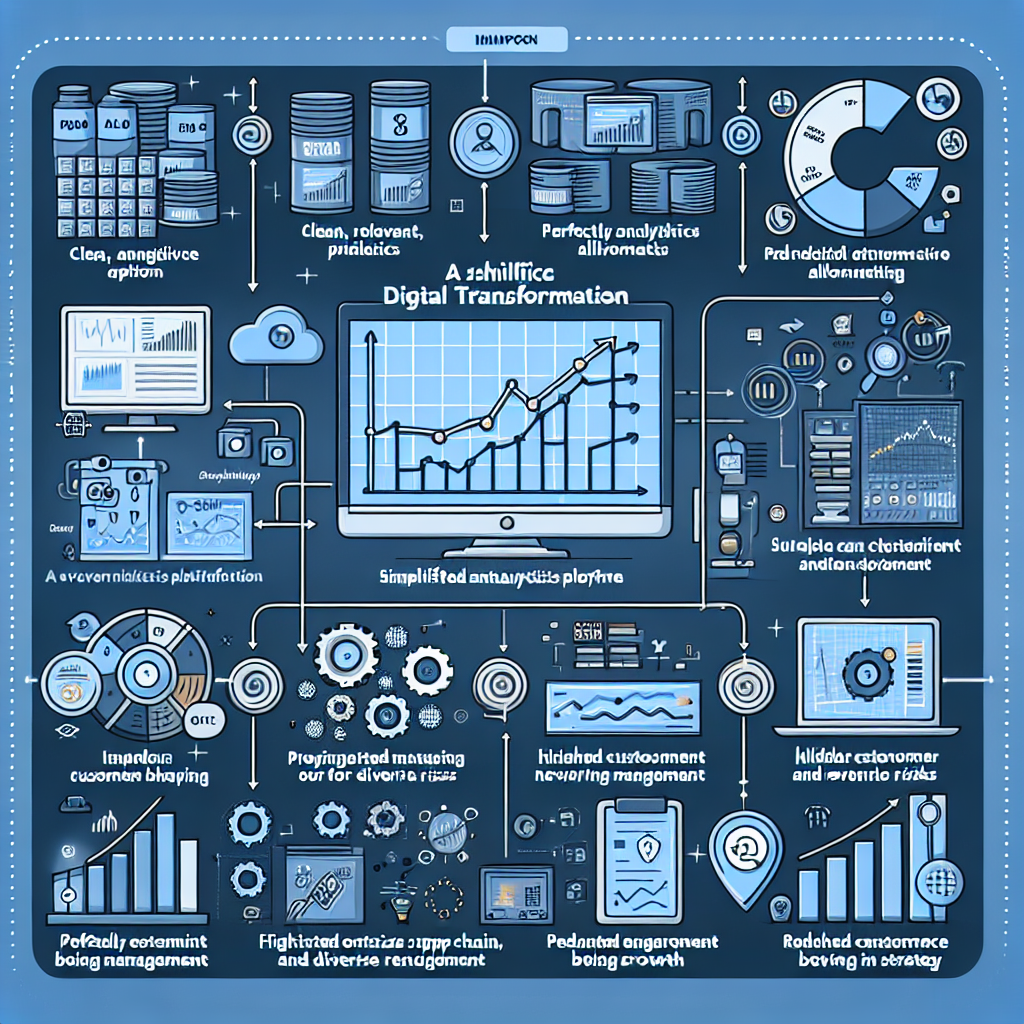 Explore the role of predictive analytics in shaping business strategies, featuring case studies and insights into leveraging data for competitive advantages.
Latest from BDA Tech Brief
- Harnessing Big Data for Enhanced Decision Making in 2024
- Navigating the Expanding Landscape of Big Data: Trends and Insights
- Harnessing Big Data to Predict Consumer Trends in 2023
- Analytics in Accounting: Unveiling New Horizons in Financial Decision Making
- The Impact of Big Data on Companies: A Deep Dive into Current Trends
Most Read
-

-
Mar 11 2019
-
Written by Danielle Loughnane
 According to Kaggle, an online community for data scientists and…
-
-
-
Aug 26 2019
-
Written by Danielle Loughnane
Not everyone needs to be a data scientist, but every…
-
-

-
Oct 26 2018
-
Written by Kim Del Fierro
In the age of digital technology, the biggest asset any…
-
-
-
Jan 13 2019
-
Written by Danielle Loughnane
According to the Harvard Business Review, every company needs a…
-