






In recent years, the global supply chain has faced unprecedented challenges, highlighting the need for resilient strategies. Harnessing big data has emerged as a pivotal solution to understand and mitigate these disruptions.
Supply chain disruptions stem from various sources such as natural disasters, geopolitical tensions, and more recently, pandemic-related challenges. Big data provides companies with the tools they need to analyze patterns, predict disruptions, and respond proactively.
Data analytics in the supply chain involves collecting vast amounts of data from different nodes including suppliers, manufacturers, and distributors. This data can include everything from production rates and transportation schedules, to environmental conditions and customer demand.
One successful case is the collaboration between a major automotive company and its logistics partner. By integrating real-time data analytics, they could predict potential delays and adjust their logistics accordingly. This not only minimized the impact on production schedules but also saved substantial costs.
Big data also plays a crucial role in risk management. By analyzing historical data, companies can identify weak links in their supply chain and develop contingency plans. Predictive analytics can forecast future risks, allowing businesses to make informed decisions on supplier selection and inventory management.
Moreover, the use of big data fosters transparency in supply chains, enhancing trust among partners and improving overall efficiency. As businesses continue to navigate the complexities of modern logistics, leveraging big data will be fundamental to maintaining a competitive edge.
Estimated reading time: 1 minute, 14 seconds
Harnessing Big Data to Combat Supply Chain Disruptions Featured
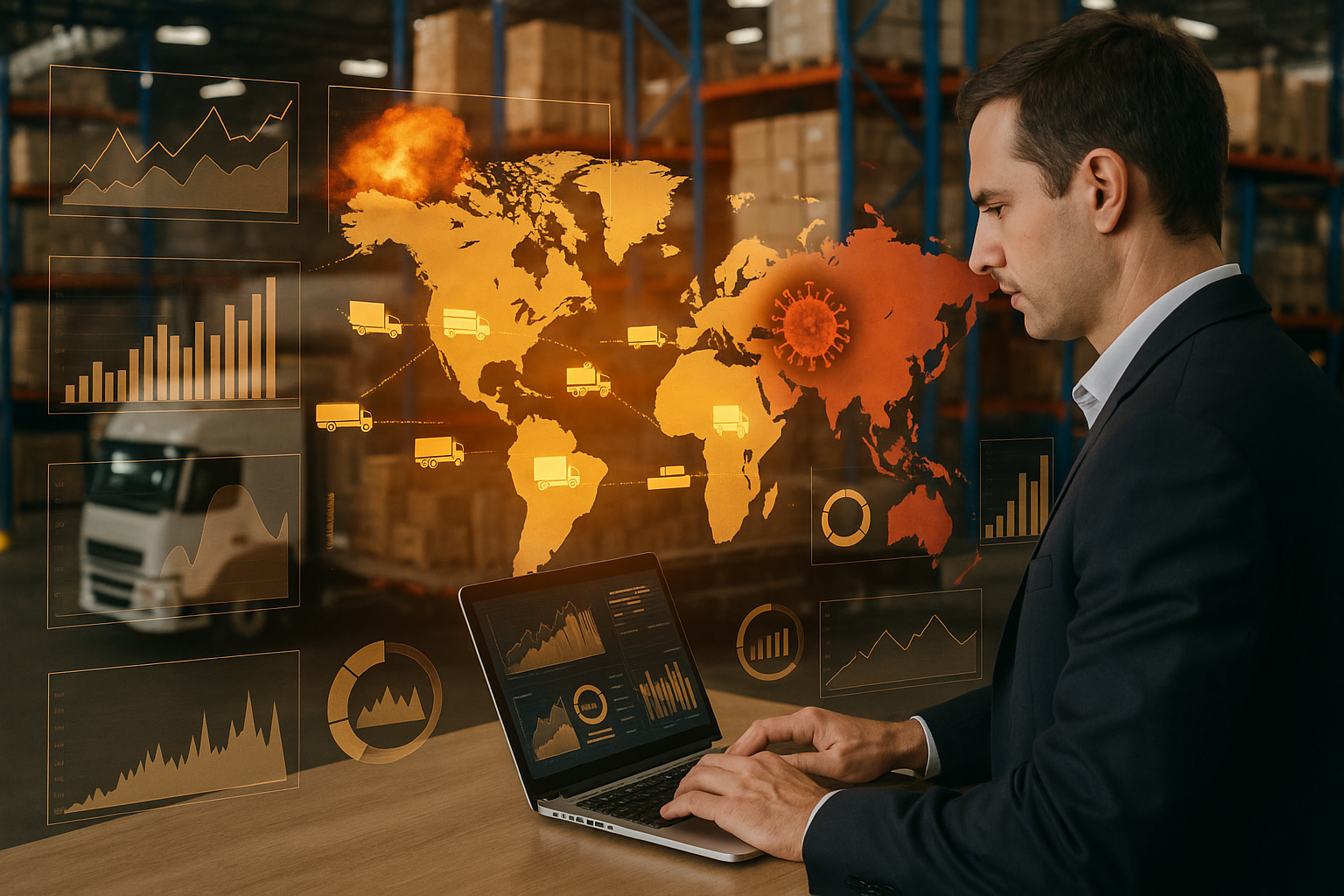 Explore how big data is transforming supply chain management by predicting disruptions and enhancing efficiency.
Latest from BDA Tech Brief
Most Read
-

-
Mar 11 2019
-
Written by Danielle Loughnane
 According to Kaggle, an online community for data scientists and…
-
-
-
Aug 26 2019
-
Written by Danielle Loughnane
Not everyone needs to be a data scientist, but every…
-
-

-
Oct 26 2018
-
Written by Kim Del Fierro
In the age of digital technology, the biggest asset any…
-
-
-
Jan 13 2019
-
Written by Danielle Loughnane
According to the Harvard Business Review, every company needs a…
-