






Predictive analytics is revolutionizing the landscape of financial decision-making by offering businesses innovative ways to utilize data insights for strategic advantage. Among its diverse applications, predictive analytics can significantly enhance risk management, optimize resource allocation, and improve customer relationships, specifically in the banking and financial services sector.
In recent years, the integration of predictive analytics into financial operations has gained immense traction. One example is JPMorgan Chase, which employs predictive models to identify patterns of fraudulent transactions. By using advanced algorithms, they are able to not only detect potential fraud with greater accuracy but also reduce false positives, saving both time and resources.
Furthermore, predictive analytics has proven invaluable in credit risk assessment. By analyzing vast amounts of historical data, financial institutions can create models that assess the risk associated with potential loans. This capability is crucial in determining creditworthiness, helping banks make more informed lending decisions, and ultimately reducing the risk of defaults.
Beyond risk assessment, predictive analytics plays a crucial role in optimizing resource allocation. For example, by analyzing customer data, businesses can predict future demands and adjust inventory levels accordingly. The retail banking industry especially benefits from such insights, allowing them to staff branches optimally and enhance customer experience by reducing wait times.
Additionally, understanding customer behavior through predictive analytics has opened new avenues for personalized marketing strategies. By analyzing customer interactions and purchasing patterns, businesses can tailor their offerings, leading to improved customer satisfaction and increased loyalty. Companies like Bank of America leverage personalized insights to create targeted campaigns that resonate more with customers, ultimately boosting their conversion rates.
However, the implementation of predictive analytics isn't without challenges. Data privacy concerns are at the forefront as financial institutions grapple with the ethical implications of utilizing customer data. Ensuring compliance with regulations like the GDPR remains a priority to maintain trust and avoid legal repercussions.
Embracing predictive analytics represents a significant opportunity for businesses willing to navigate these complexities. As advancements continue in machine learning and artificial intelligence, the potential for predictive analytics in financial decision-making will only grow, offering unparalleled insights and competitive advantages.
Estimated reading time: 1 minute, 50 seconds
Leveraging Predictive Analytics for Financial Decision-Making Featured
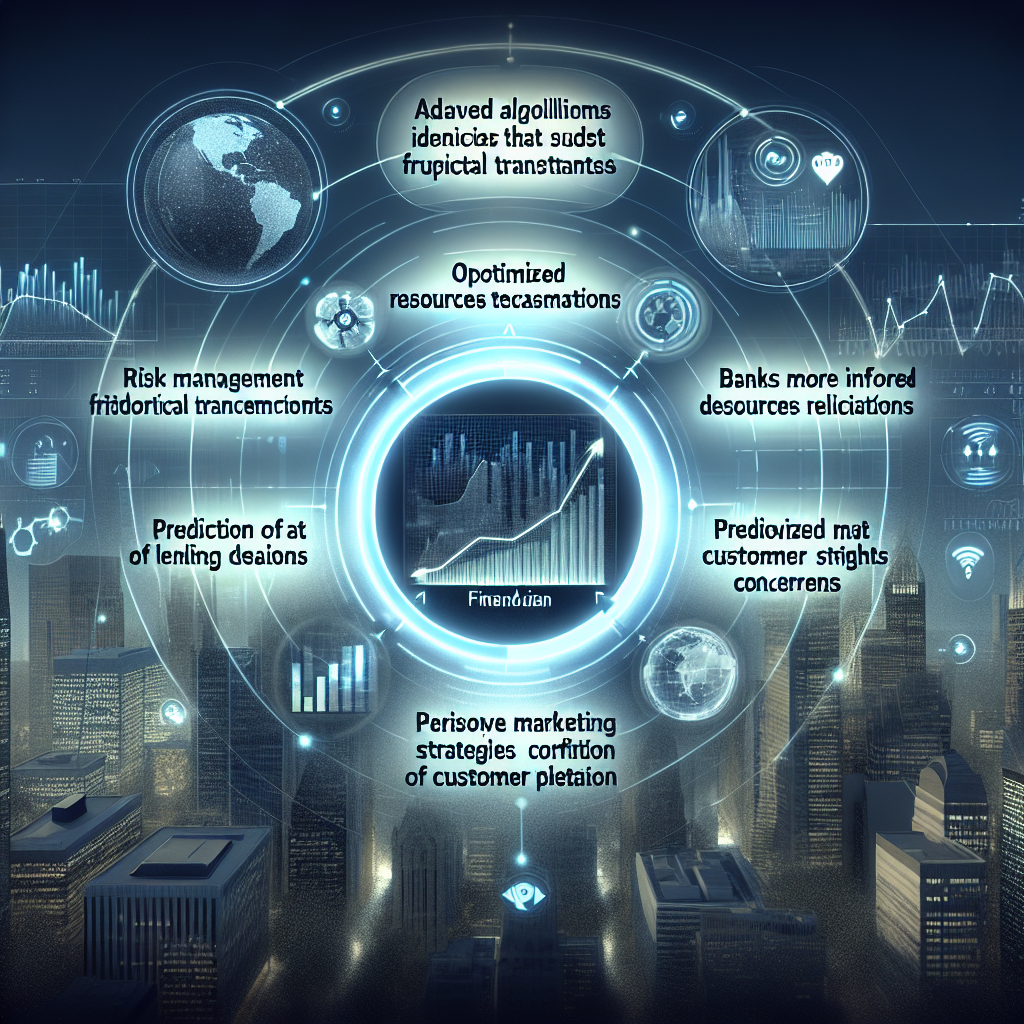 Explore how predictive analytics is transforming financial decision-making by improving risk management, resource allocation, and customer relationships in the banking sector.
Latest from BDA Tech Brief
- Big Data's Role in Shaping Modern E-commerce Strategies
- The Rise of Big Data in Enhancing Predictive Analytics
- Revolutionizing Data Analytics: How Augmented Analytics is Shaping Business Intelligence
- Recent Trends in Big Data: Navigating Data Privacy and Security Challenges
- Navigating the Era of Predictive Analytics in Accounting
Most Read
-

-
Mar 11 2019
-
Written by Danielle Loughnane
 According to Kaggle, an online community for data scientists and…
-
-
-
Aug 26 2019
-
Written by Danielle Loughnane
Not everyone needs to be a data scientist, but every…
-
-

-
Oct 26 2018
-
Written by Kim Del Fierro
In the age of digital technology, the biggest asset any…
-
-
-
Jan 13 2019
-
Written by Danielle Loughnane
According to the Harvard Business Review, every company needs a…
-