






In recent years, predictive analytics has emerged as a powerful tool transforming the landscape of business decision-making. Harnessing the power of big data, businesses are now better equipped to anticipate future trends, optimize processes, and gain a competitive edge in their respective markets.
The surge in predictive analytics is driven by the vast amount of data generated every day. Businesses have leveraged this data using advanced algorithms that analyze patterns and behaviors, allowing for more informed strategic planning. Companies like Netflix and Amazon have set exemplary benchmarks by utilizing predictive analytics to enhance customer experiences and boost satisfaction levels.
One of the significant advantages of predictive analytics is its ability to reduce uncertainties in decision-making. By providing insights into potential market demands, risks, and consumer behavior, businesses can devise strategies to mitigate risks and capitalize on new opportunities. This strategic insight is invaluable, especially in volatile industries such as finance or retail, where rapid shifts in consumer behavior can significantly impact the bottom line.
Furthermore, predictive analytics helps streamline operations by optimizing supply chain networks and enhancing inventory management. Companies can foresee future demands, allowing them to adjust their inventory levels accordingly, thus reducing overhead costs and improving efficiency. In energy sectors, predictive analytics monitors equipment maintenance, predicting faults before they occur and preventing costly downtimes.
Artificial intelligence (AI) and machine learning (ML) play pivotal roles in advancing predictive analytics capabilities. As these technologies continue to evolve, their integration into analytical processes will enhance their accuracy and reliability. We see a growing number of businesses employing AI-driven analytics to forecast market trends and tailor strategies to their clientele.
Despite its transformative impact, companies must remain cautious about over-relying on predictive models. Data privacy concerns and the potential for biased algorithms present challenges that businesses must navigate carefully. Ensuring ethical use of data and transparency in analytical processes will be crucial as predictive analytics becomes more ubiquitous.
Staying updated with the latest developments in predictive analytics is essential for business leaders who wish to harness its full potential. As the market for predictive analytics tools continues to grow, keeping an eye on the latest trends and technologies will ensure that businesses remain at the forefront of innovation.
Estimated reading time: 1 minute, 57 seconds
The Rise of Predictive Analytics in Business Decision-Making Featured
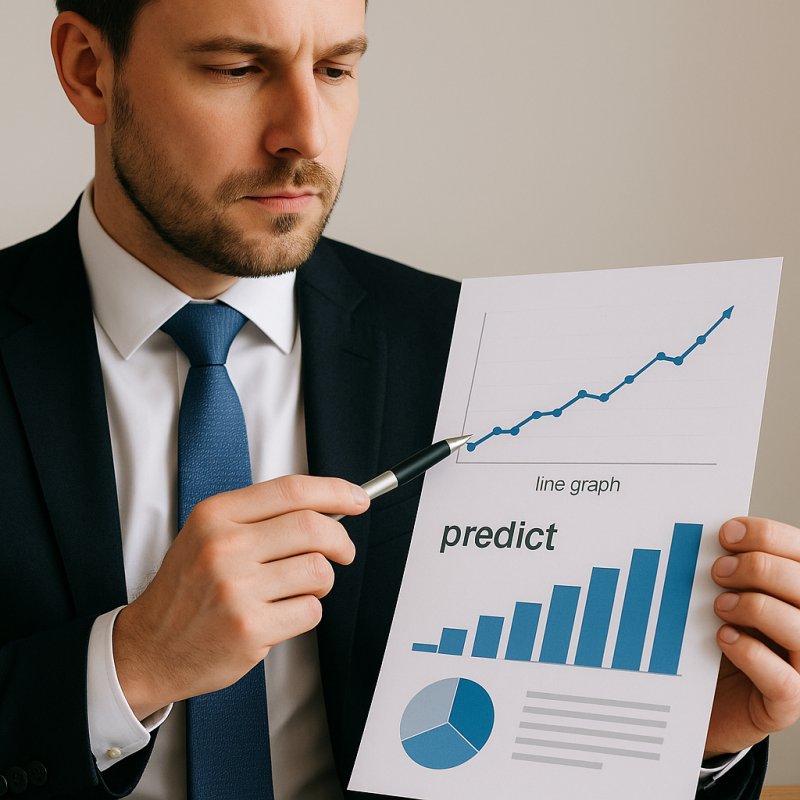 Explore the rise of predictive analytics in business decision-making and understand its transformative potential in optimizing processes and gaining a competitive edge through big data.
Latest from BDA Tech Brief
- The Surge in Big Data Adoption: Transformative Trends and Insights
- Unlocking Business Growth: The Strategic Edge of Big Data Tools in 2023
- The Surge of Big Data in Enhancing Financial Compliance
- Decoding the Future: The Rise of Predictive Analytics in Business
- The Rise of Predictive Analytics: Shaping Business Strategies Today
Most Read
-

-
Mar 11 2019
-
Written by Danielle Loughnane
 According to Kaggle, an online community for data scientists and…
-
-
-
Aug 26 2019
-
Written by Danielle Loughnane
Not everyone needs to be a data scientist, but every…
-
-

-
Oct 26 2018
-
Written by Kim Del Fierro
In the age of digital technology, the biggest asset any…
-
-
-
Jan 13 2019
-
Written by Danielle Loughnane
According to the Harvard Business Review, every company needs a…
-