






The retail industry is currently experiencing a major transformation, driven by the power of big data analytics. Companies are harnessing vast data resources to better understand consumer behavior, optimize supply chains, and create personalized shopping experiences, revolutionizing the way they operate and compete in the modern market.
In recent days, there has been a notable trend in the application of data analytics within the retail sector. Retailers are increasingly leveraging insights derived from big data to improve decision-making processes. A leading example is a major US retail chain that recently integrated advanced data analytics tools to analyze customer purchase patterns. By doing so, the chain optimized its inventory management, reducing operational costs significantly.
The application of big data in retail transcends traditional market analyses. By analyzing consumer sentiment from social media and online reviews, retailers can make informed decisions on product assortments and marketing strategies. A noteworthy case from my experience at Deloitte involved a fashion retailer that utilized such sentiment analysis to predict trends and adjust their stock accordingly, resulting in a remarkable increase in sales.
Additionally, the integration of big data into the supply chain is streamlining operations. Retail giants are utilizing predictive analytics to anticipate demand surges and avoid stockouts or overstocking. The ability to accurately forecast demand ensures shelves are stocked with the right products at the right time, enhancing customer satisfaction and loyalty.
Moreover, big data is personalizing customer experiences in a way never seen before. Retailers employ sophisticated algorithms to analyze shopping behavior, tailoring recommendations to individual preferences. This personalization extends to creating dynamic pricing models that adjust in real time based on consumer demand and competitive pricing, offering a competitive edge in a crowded market.
The utilization of big data in retail is still in its early stages, with vast potential awaiting exploration. As technology and analytics capabilities continue to evolve, retailers are poised to unlock unprecedented insights and efficiencies, setting the stage for a dynamic retail landscape. Businesses that embrace and invest in big data technologies are likely to thrive, setting new benchmarks for retail excellence.
Estimated reading time: 1 minute, 53 seconds
Harnessing Big Data: Transforming Retail Industry Dynamics Featured
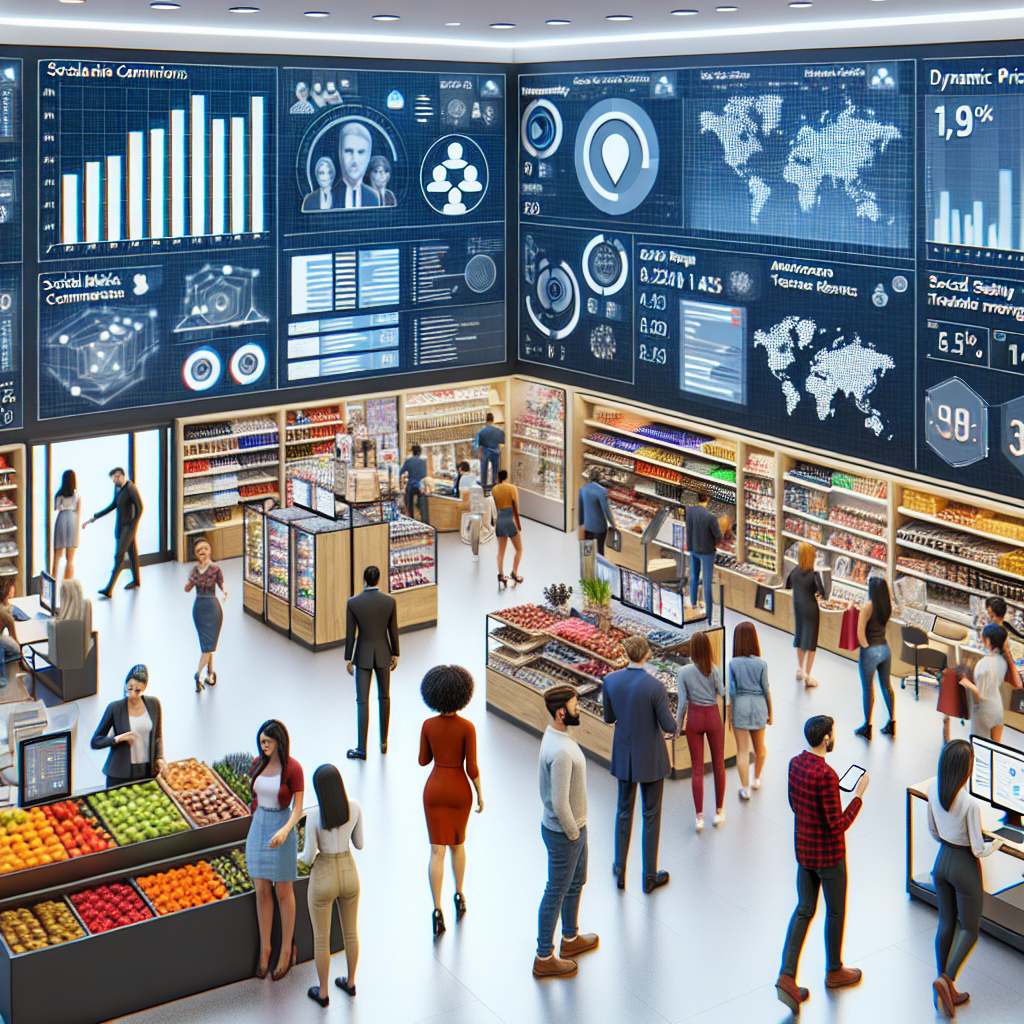 Explore how big data is transforming the retail industry, driving insights into consumer behavior, optimizing supply chains, and enhancing customer experiences. Learn about the latest trends in data analytics that are reshaping retail dynamics.
Latest from BDA Tech Brief
- Harnessing Big Data for Enhanced Decision Making in 2024
- Navigating the Expanding Landscape of Big Data: Trends and Insights
- Harnessing Big Data to Predict Consumer Trends in 2023
- Analytics in Accounting: Unveiling New Horizons in Financial Decision Making
- The Impact of Big Data on Companies: A Deep Dive into Current Trends
Most Read
-

-
Mar 11 2019
-
Written by Danielle Loughnane
 According to Kaggle, an online community for data scientists and…
-
-
-
Aug 26 2019
-
Written by Danielle Loughnane
Not everyone needs to be a data scientist, but every…
-
-

-
Oct 26 2018
-
Written by Kim Del Fierro
In the age of digital technology, the biggest asset any…
-
-
-
Jan 13 2019
-
Written by Danielle Loughnane
According to the Harvard Business Review, every company needs a…
-