






The retail industry is witnessing a transformative shift as businesses harness the power of big data to make informed data-driven decisions. Predictive analytics, a key component of big data, is emerging as a game-changer for retailers looking to enhance customer experiences and optimize operational efficiency.
Retailers have access to vast amounts of data generated from customer transactions, online interactions, and social media engagements. Through the application of predictive analytics, these data streams become invaluable assets, offering insights into future trends and consumer behavior.
In today's retail landscape, understanding customer preferences and anticipating their needs can set a brand apart. Predictive analytics empowers retailers to analyze purchasing patterns, allowing them to tailor marketing strategies and personalize offers. By leveraging data-driven insights, retailers can increase customer satisfaction and loyalty.
For instance, consider a major retail chain that integrated predictive analytics to optimize its inventory management. By predicting demand patterns, the company was able to reduce overstock and avoid stockouts, thereby minimizing costs and maximizing sales opportunities. This application of big data not only increased efficiency but also had a significant impact on the bottom line.
Moreover, big data in retail isn't just limited to enhancing marketing campaigns. It also facilitates dynamic pricing strategies, enabling businesses to adjust prices in real-time based on consumer demand, competitor pricing, and market trends. This adaptability ensures the retailer remains competitive and relevant in a fast-paced market.
The real-time nature of big data analytics provides retailers with a critical advantage. In an industry where trends can change rapidly, being able to respond with agility is vital. For example, a retail company that successfully capitalized on emerging fashion trends ahead of competitors through data analysis can attest to the benefits of predictive analytics.
However, the successful implementation of big data in retail requires a robust data infrastructure and skilled personnel. Retailers must invest in advanced analytics platforms and ensure their team is equipped to interpret and act on the insights generated.
In conclusion, predictive analytics powered by big data is reshaping the retail industry. It offers a competitive edge by fostering a deeper understanding of customer behavior and enabling rapid adaptation to market conditions. As more retailers recognize its potential, big data will continue to drive innovation and growth in this dynamic sector.
Estimated reading time: 1 minute, 58 seconds
Harnessing Big Data for Predictive Analytics in Retail Featured
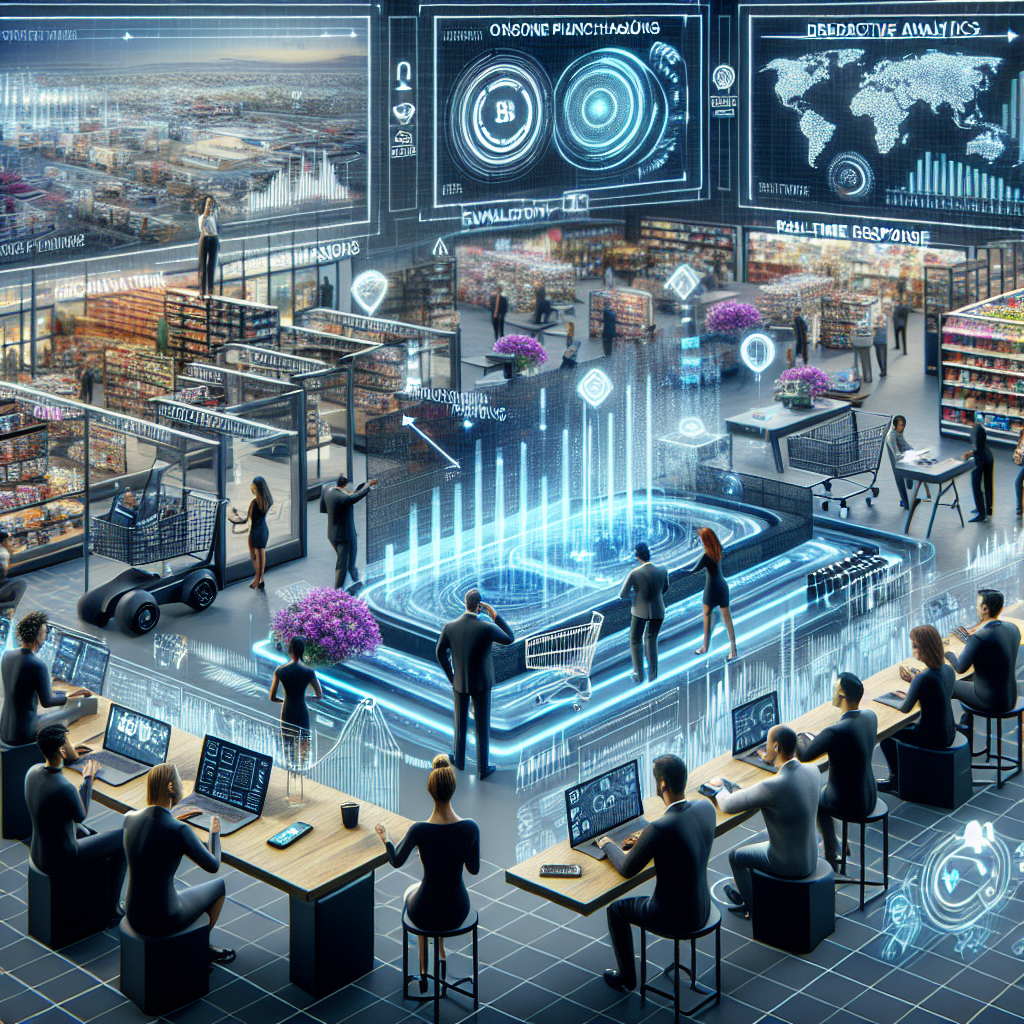 Explore how big data and predictive analytics are transforming the retail industry by offering data-driven insights and enhancing customer experiences.
Latest from BDA Tech Brief
- The Rise of Predictive Analytics in Business Decision-Making
- The Surge in Big Data Adoption: Transformative Trends and Insights
- Unlocking Business Growth: The Strategic Edge of Big Data Tools in 2023
- The Surge of Big Data in Enhancing Financial Compliance
- Decoding the Future: The Rise of Predictive Analytics in Business
Most Read
-

-
Mar 11 2019
-
Written by Danielle Loughnane
 According to Kaggle, an online community for data scientists and…
-
-
-
Aug 26 2019
-
Written by Danielle Loughnane
Not everyone needs to be a data scientist, but every…
-
-

-
Oct 26 2018
-
Written by Kim Del Fierro
In the age of digital technology, the biggest asset any…
-
-
-
Jan 13 2019
-
Written by Danielle Loughnane
According to the Harvard Business Review, every company needs a…
-