






Amid the dynamic and ever-evolving landscape of retail, big data has emerged as a transformative force, reshaping how businesses understand and cater to their customers. Retailers leveraging big data are redefining success, not through mere chance, but by precise analytics and strategic decision-making.
In recent days, the retail sector has seen significant advancements with big data applications. An increasing number of companies are focusing on enhancing the customer experience by personalizing their shopping journey. The key to this transformation lies in understanding consumer behavior, preferences, and trends through data-driven insights.
One standout example of big data's role in retail is the success story of a leading national retail chain that integrated big data analytics into its operations. By harnessing historical purchase data, website interactions, and social media activities, the company developed a robust recommendation engine. This not only personalized shopping experiences but also increased the average basket size and customer loyalty.
Furthermore, inventory management is undergoing a revolution, thanks to predictive analytics. Retailers are now better equipped to anticipate demand surges and reduce out-of-stock instances. This improved efficiency leads to cost savings and enhanced customer satisfaction.
Big data is also driving the trend of hyper-local marketing. Retailers can now analyze demographics and shopping patterns at a granular level, allowing them to tailor localized offers and increase foot traffic to specific store locations. The immediacy and relevance of these offers have shown measurable impacts on sales conversions and customer retention.
As data becomes more integral to retail strategies, we are witnessing increased collaboration between data scientists and business strategists. This interdisciplinary approach ensures that data insights translate into actionable business outcomes. The innovative usage of big data across retail exemplifies a larger trend in various industries. Businesses recognize the competitive edge offered by data-driven strategies, and those who adapt quickly are likely to dominate their respective markets.
Despite the clear benefits, the ethical handling of consumer data remains a paramount concern. Retailers are working tirelessly to safeguard data privacy and earn customer trust, adhering to relevant regulations and promoting transparent practices.
The future of retail undoubtedly lies in exploring the vast potential of big data analytics. By continually innovating and refining data strategies, retailers can remain agile and responsive to the ever-changing consumer landscape.
Estimated reading time: 2 minutes, 0 seconds
Revolutionizing Retail: The Role of Big Data in Personalizing Shopping Experiences Featured
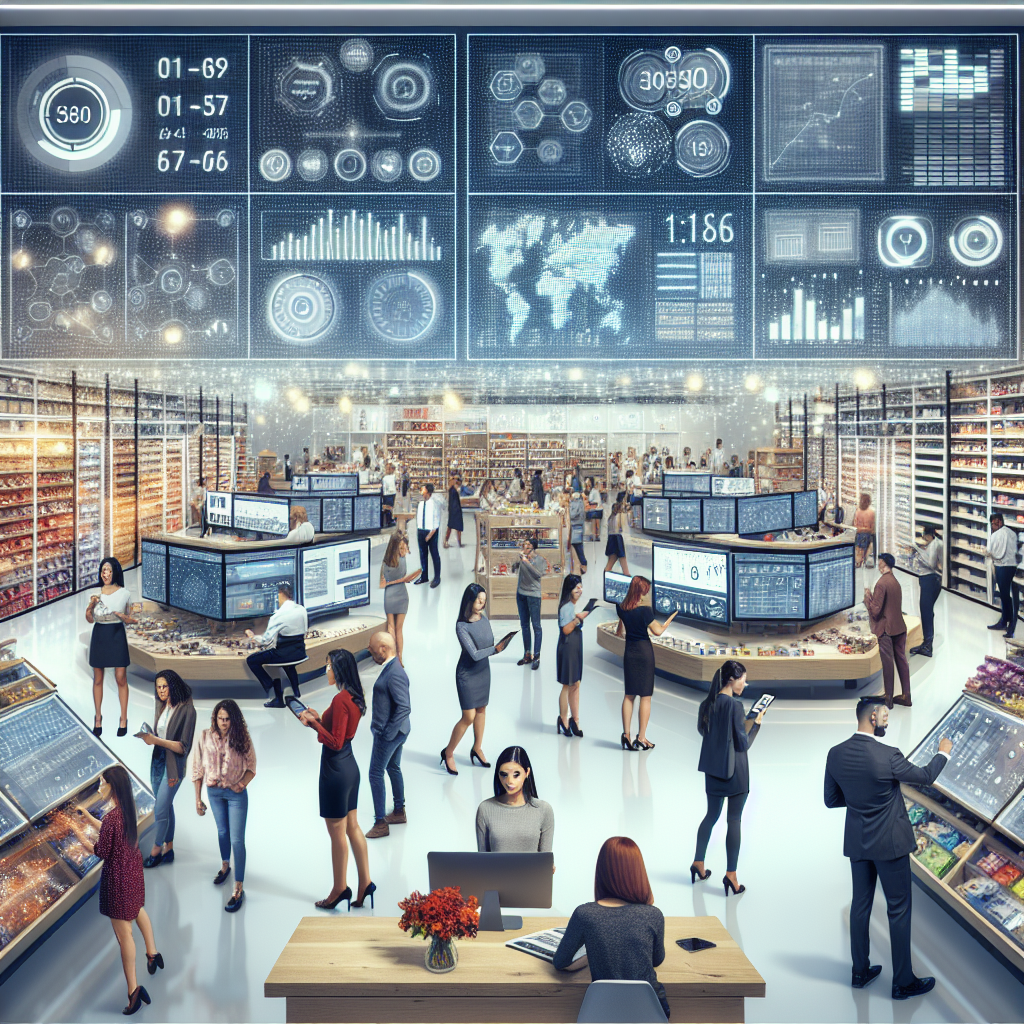 Explore how big data is revolutionizing retail by personalizing shopping experiences, enhancing inventory management, and driving hyper-local marketing. Dive into successful case studies and future trends in data-driven retail strategies.
Latest from BDA Tech Brief
- Harnessing Big Data for Enhanced Decision Making in 2024
- Navigating the Expanding Landscape of Big Data: Trends and Insights
- Harnessing Big Data to Predict Consumer Trends in 2023
- Analytics in Accounting: Unveiling New Horizons in Financial Decision Making
- The Impact of Big Data on Companies: A Deep Dive into Current Trends
Most Read
-

-
Mar 11 2019
-
Written by Danielle Loughnane
 According to Kaggle, an online community for data scientists and…
-
-
-
Aug 26 2019
-
Written by Danielle Loughnane
Not everyone needs to be a data scientist, but every…
-
-

-
Oct 26 2018
-
Written by Kim Del Fierro
In the age of digital technology, the biggest asset any…
-
-
-
Jan 13 2019
-
Written by Danielle Loughnane
According to the Harvard Business Review, every company needs a…
-