






In today's fast-evolving retail landscape, big data has emerged as a pivotal player, reshaping the ways businesses engage with their customers. Retailers are increasingly leveraging big data analytics to unlock valuable insights, drive strategic decisions, and ultimately enhance customer experiences.
One of the most compelling aspects of big data in retail is its ability to personalize shopping experiences. By analyzing data from diverse sources such as purchase histories, website interactions, and social media behaviors, retailers can create customized recommendations and targeted marketing campaigns. This personalization not only boosts customer satisfaction but also increases sales conversions significantly.
Another exciting trend is inventory management powered by big data. Retailers can now forecast demand with greater accuracy by analyzing historical sales data and current market trends. This has proven especially useful during seasonal peaks and promotional events, ensuring that the right products are available at the right time, reducing stockouts and overstock situations.
Furthermore, big data provides retailers with a comprehensive view of customer journeys. By tracking interactions across various touchpoints, businesses can identify bottlenecks and opportunities in the customer experience. This holistic approach enables retailers to optimize their processes, resulting in a more seamless shopping experience, which can lead to increased customer loyalty and retention.
A real-life example can be seen in my previous experience with a leading U.S.-based retailer. By implementing a data-driven customer analysis strategy, they identified a segment of their customers who preferred sustainable products. Leveraging this insight, they launched a targeted eco-friendly product line that not only boosted sales but also aligned with the company's commitment to sustainability.
In the competitive retail market, price optimization is another area where big data shines. Retailers can analyze competitors' pricing, market demand, and customer preferences to adjust their pricing strategies dynamically. This ensures they remain competitive while maximizing profit margins.
However, leveraging big data comes with its set of challenges. Retailers need to invest in robust data management systems and ensure data privacy and security. As more personal data is collected, businesses must comply with regulations like GDPR and CCPA to maintain consumer trust.
Overall, the impact of big data on the retail industry is undeniable. As retailers continue to harness the power of data analytics, they are not only able to enhance customer experiences but also improve operational efficiencies, leading to business growth and resilience in a dynamic market environment.
Estimated reading time: 2 minutes, 3 seconds
How Big Data is Redefining Retail Experiences Featured
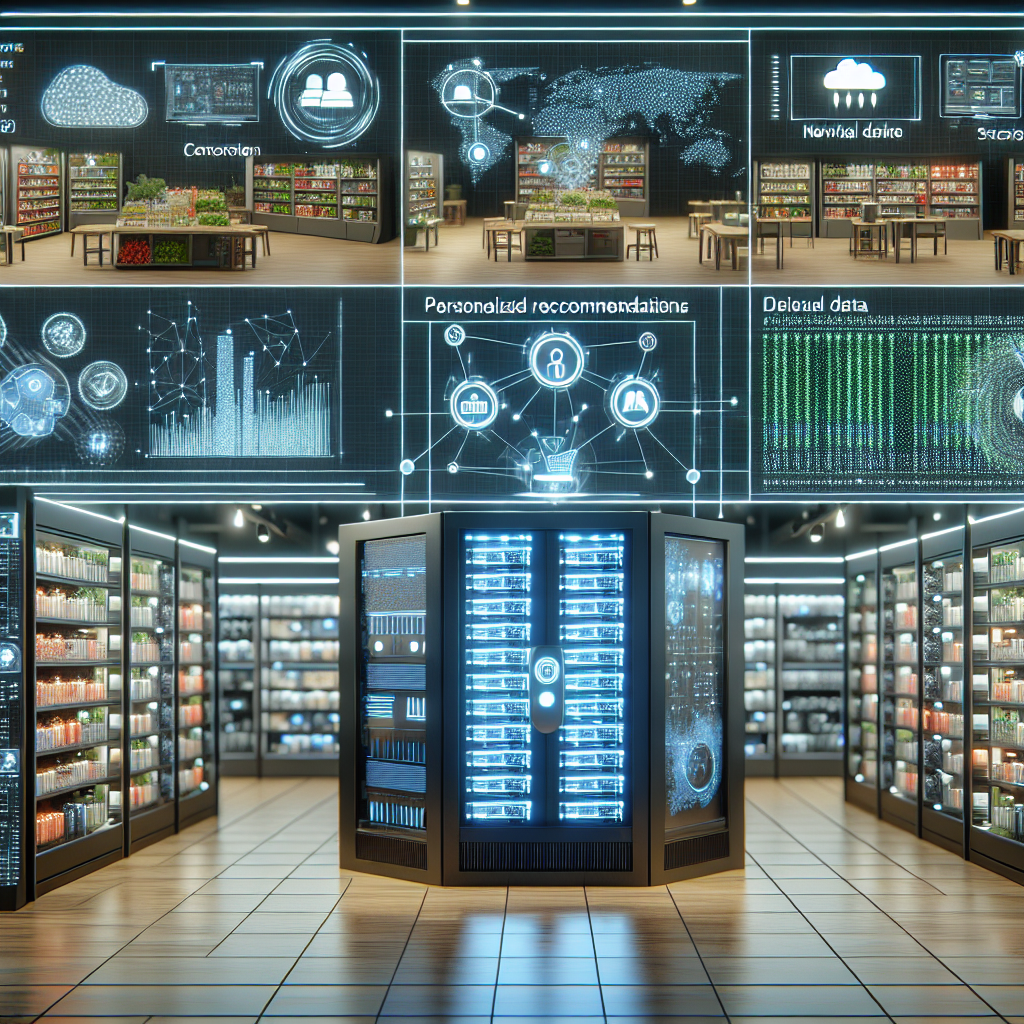 Discover how big data is transforming the retail landscape by enhancing customer experiences, optimizing inventory, and enabling personalized marketing strategies.
Latest from BDA Tech Brief
- The Rise of Predictive Analytics in Business Decision-Making
- The Surge in Big Data Adoption: Transformative Trends and Insights
- Unlocking Business Growth: The Strategic Edge of Big Data Tools in 2023
- The Surge of Big Data in Enhancing Financial Compliance
- Decoding the Future: The Rise of Predictive Analytics in Business
Most Read
-

-
Mar 11 2019
-
Written by Danielle Loughnane
 According to Kaggle, an online community for data scientists and…
-
-
-
Aug 26 2019
-
Written by Danielle Loughnane
Not everyone needs to be a data scientist, but every…
-
-

-
Oct 26 2018
-
Written by Kim Del Fierro
In the age of digital technology, the biggest asset any…
-
-
-
Jan 13 2019
-
Written by Danielle Loughnane
According to the Harvard Business Review, every company needs a…
-