In recent years, predictive analytics has become a cornerstone in reshaping the landscape of business decision-making. By harnessing historical data, predictive analytics leverages statistical algorithms and machine learning techniques to forecast future outcomes. This tool has progressively moved from a niche application to a mainstream strategic asset, enabling companies to enhance operational efficiencies and gain competitive advantage.
One notable case of successful predictive analytics implementation is that of Netflix. By analyzing vast amounts of viewer data, Netflix has been able to accurately predict user preferences and tailor content recommendations. This personalization not only enhances user experience but also drives subscription growth and ensures customer retention.
The application of predictive analytics transcends industry boundaries. In finance, for example, organizations are utilizing these models to identify potential default risks and optimize their investment portfolios. Retailers are employing predictive tools to manage inventory better and design more targeted marketing campaigns. The healthcare sector, on the other hand, is leveraging predictive analytics to anticipate patient diagnoses and improve treatment effectiveness.
However, the proliferation of predictive analytics is not without its challenges. Data quality remains a critical issue, as inaccurate or incomplete data can lead to flawed predictions. Organizations must invest in rigorous data cleaning and validation processes to ensure their analytical models are built on robust data foundations.
Moreover, the ethical considerations surrounding data privacy cannot be overstated. With predictive analytics relying heavily on consumer data, companies must navigate stringent regulatory frameworks to ensure compliance and maintain trust. The recent surge in regulatory measures across the globe underscores the need for businesses to strike a balance between innovation and privacy.
Moving forward, the integration of advanced technologies such as artificial intelligence and machine learning will further elevate the potential of predictive analytics. As these technologies evolve, we can expect more sophisticated models capable of delivering even greater precision and insight.
Ultimately, companies that effectively leverage predictive analytics to inform their strategic decisions will position themselves for future success. By adopting a proactive approach and embracing predictive tools, businesses can remain agile, anticipate market shifts, and deliver products and services that meet and exceed customer expectations.
The Rise of Predictive Analytics: Shaping Business Strategies Today Featured
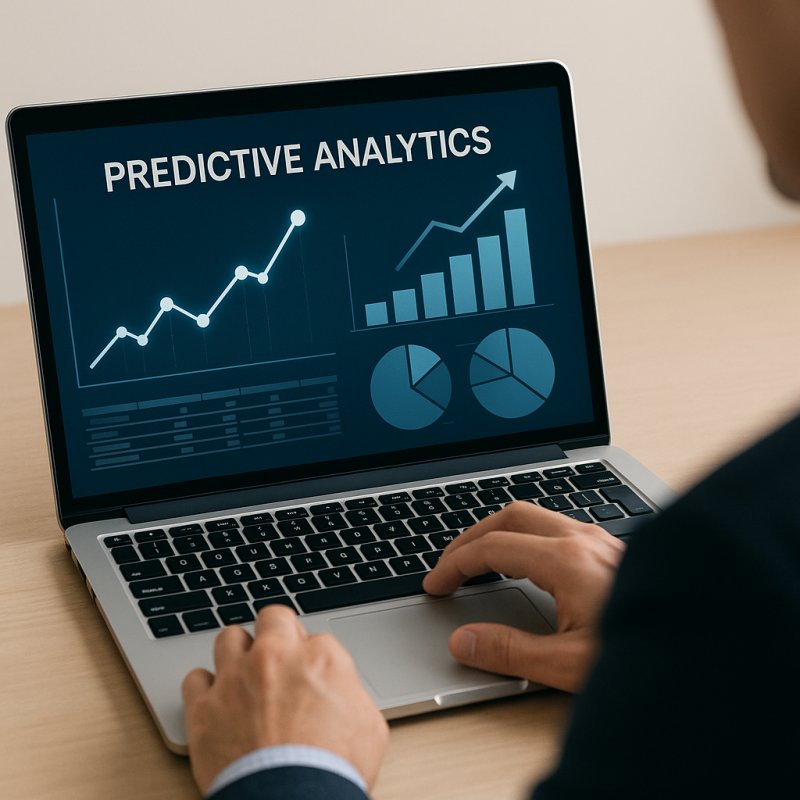 Explore how predictive analytics is transforming business strategies with data-driven insights in various industries, overcoming challenges, and fostering growth.

Latest from BDA Tech Brief
- Big Data's Role in Shaping Modern E-commerce Strategies
- The Rise of Big Data in Enhancing Predictive Analytics
- Revolutionizing Data Analytics: How Augmented Analytics is Shaping Business Intelligence
- Recent Trends in Big Data: Navigating Data Privacy and Security Challenges
- Navigating the Era of Predictive Analytics in Accounting