In recent years, predictive analytics has emerged as a game-changer in the landscape of modern business operations. As organizations increasingly rely on data to drive decision-making processes, the use of advanced analytics has become pivotal in foreseeing market trends and customer behavior.
The surge in big data tools has propelled predictive analytics to the forefront, enabling firms to harness vast datasets for actionable insights. With the help of sophisticated algorithms, businesses can accurately predict future events, enhancing their strategic planning and optimizing operational efficiencies.
A prime example of predictive analytics in action lies in the retail industry. Major retailers employ these analytical models to anticipate customer purchasing patterns, enabling them to manage inventory more efficiently and tailor marketing campaigns to specific consumer needs. By doing this, they significantly reduce waste and enhance customer satisfaction, leading to substantial revenue growth.
Similarly, in the finance sector, predictive analytics is transforming risk management. Financial institutions use these models to foresee credit risks, thereby making informed lending decisions and mitigating potential losses. The data-driven insights garnered from predictive analytics allow these institutions to adapt to changing market conditions dynamically, continually honing their competitive edge.
Moreover, the advancement in cloud computing and machine learning technologies has significantly lowered the barrier to entry for businesses looking to integrate predictive analytics into their operations. Even small and mid-sized enterprises can take advantage of these powerful tools to level the playing field against larger competitors.
However, the proliferation of predictive analytics raises concerns about data privacy and security. Companies must balance leveraging data for strategic gain while safeguarding sensitive information. Adopting robust cybersecurity measures and ensuring compliance with data protection regulations are crucial in maintaining consumer trust.
As predictive analytics continues to evolve, it's poised to redefine industries by enabling more personalized and efficient customer experiences. Organizations that harness its capabilities will not only streamline their operations but also foster innovation and growth, ultimately securing their footing in a data-driven world.
The path forward for businesses is clear: embrace predictive analytics or risk being left behind in an increasingly competitive market.
The Rise of Predictive Analytics: Transforming Modern Businesses Featured
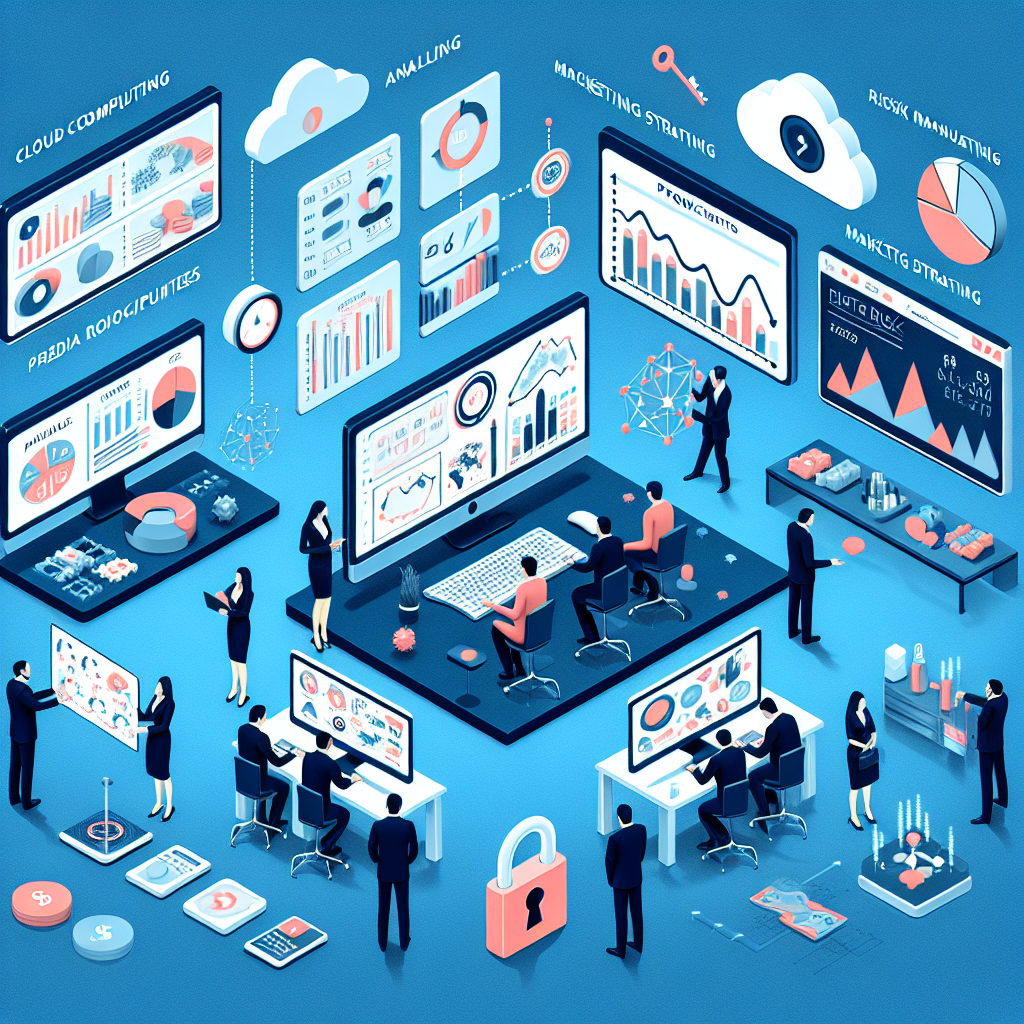 Explore how predictive analytics is transforming business strategies by harnessing big data for market foresight and operational efficiency.

Latest from BDA Tech Brief
- The Rise of Predictive Analytics in Business Decision-Making
- The Surge in Big Data Adoption: Transformative Trends and Insights
- Unlocking Business Growth: The Strategic Edge of Big Data Tools in 2023
- The Surge of Big Data in Enhancing Financial Compliance
- Decoding the Future: The Rise of Predictive Analytics in Business